Inside the World of Puppet-Based Kids' TV: An Interview with Shevaun Gray
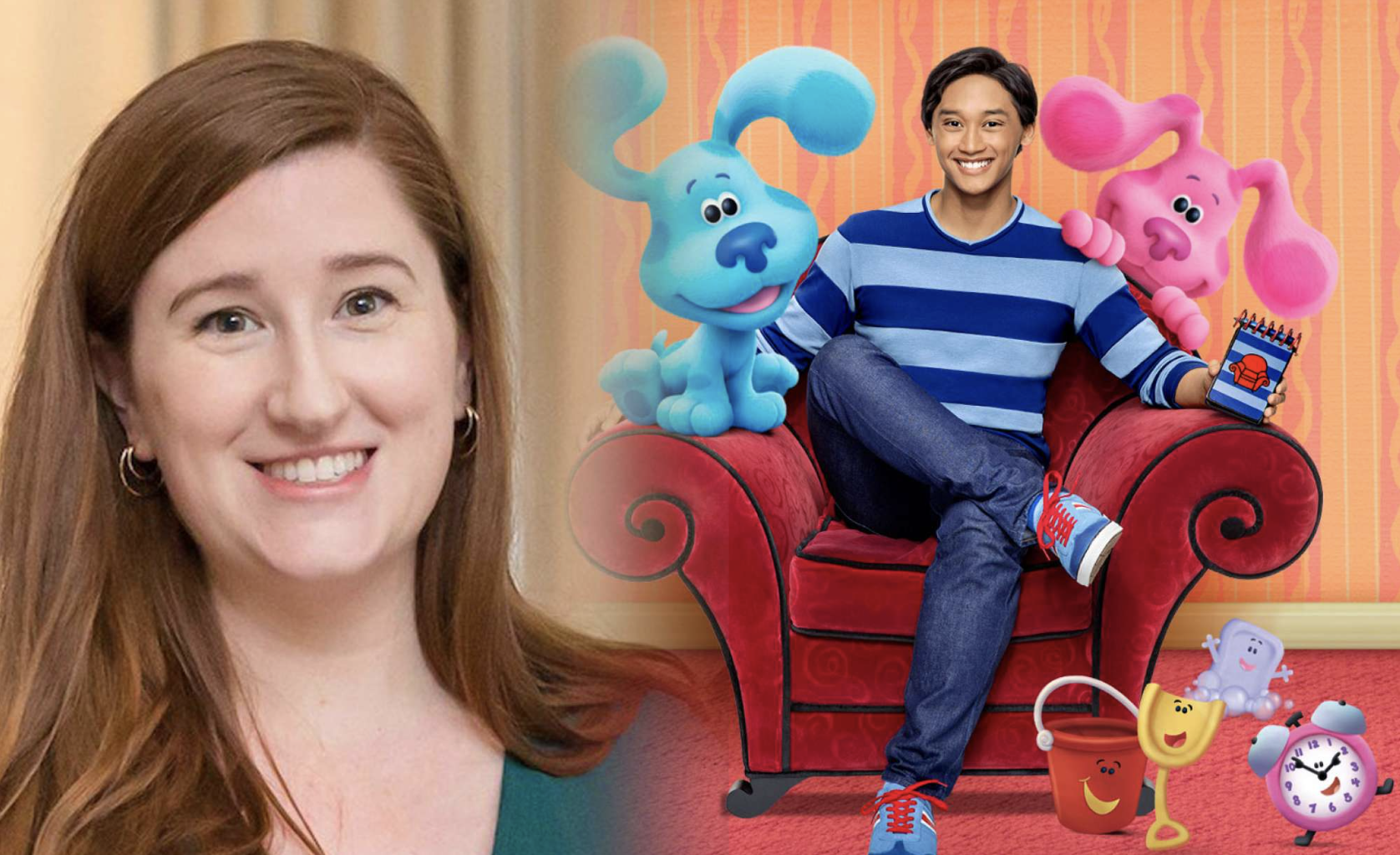
Shevaun Gray - Supervising producer of Blues Clues & You
Shevaun Gray is a force in children's media. As an Emmy-winning supervising producer, she’s been at the helm of over 100 episodes of preschool programming, shaping stories that captivate young audiences worldwide. Shevaun’s expertise spans production management, content development, and creative direction—so basically big-picture vision meets hands-on problem-solving. Whether she’s launching new intellectual properties, rebooting beloved classics, or even stepping into the director’s chair, Shevaun knows how to make magic happen while keeping productions on track.
I sat down with Shevaun to talk about the magic and the unique challenges of puppet-based TV, the battle between creativity and budgets, and why puppetry is still such a special way to connect with audiences today.
Finding a Path to Puppetry in Kids’ TV
Like many industry professionals, Shevaun didn’t initially set out to work in children’s television—until one pivotal experience changed everything.
"I always loved TV, but interning at Sesame Street was a game-changer. That’s when I realized kids’ media was where I wanted to be. Looking back, it makes perfect sense—I babysat, nannied, and always gravitated toward working with kids. They deserve quality content, and as adults, it’s our responsibility to provide that."
Creativity vs. Production Reality: Keeping the Magic Without Breaking the Bank
One of the biggest challenges in making a puppet-based show? Balancing creative vision with the realities of budgets, timelines, and technical limitations. According to Shevaun, the key to success is clear, early communication.
"Puppet or not, every production is a dance between creativity and logistics. I make sure everyone—writers, designers, and puppeteers—knows upfront what’s possible within our budget. It’s unfair to let creatives dream without constraints, only to force them into endless rewrites later. Instead, we start with ‘Here’s what we can do. Now, how do we make it amazing?’"
The takeaway? One that applies to every relationship and every industry: Respect for all departments. "Every team member is a specialist, and not everyone knows what goes into each other’s work. That’s why open conversations are key—so a great idea doesn’t turn into a logistical nightmare."
Why Are Some Puppets More Captivating Than Others?
We at Puppet Heap know that not all puppets are created equal. So, I asked Shevaun for her opinion on what makes some puppets truly come alive while others fall flat?
"For me, it’s all about how ‘alive’ a puppet feels in quiet moments. The way it listens, reacts, and breathes. I’ve watched people interact with Sesame Street puppets, and it’s incredible—within seconds, they forget the puppeteer is even there. The best puppeteers bring a level of subtlety and realism that makes you believe."
But Shevaun also has a soft spot for walkaround puppets—full-body characters like Bear from Bear in the Big Blue House (which we are partial to :) or Snuffy from Sesame Street. "The illusion is never broken because you don’t see a puppeteer at all. As a kid, Snuffy felt more real to me than most of the other characters!"
We agree with Shevaun’s take on bringing puppets to life through subtlety and emotional engagement. Our approach to puppet design is rooted in making sure that every puppet feels genuine and has its own story to tell so that the puppeteers’ presence fades, and the puppet itself feels like a living being.
Why Aren’t There More Puppet Shows Today?
Puppet Heap Workshop is a character design and puppet fabrication workshop so of course we love all things tactile - but we do not dismiss the digital reality in today’s world. We also use digital media as part of our approach to puppet storytelling. That said there have been ebbs and flows as far as puppet based kid shows on TV. I asked Shevaun why she thinks puppet based kids shows seemed to get a bit rarer recently.
"Honestly? The hardest part about puppetry in kids’ TV today is convincing networks to greenlight it. Somewhere along the way, decision-makers became convinced that kids only watch animation. Don’t get me wrong—I love animation! But I think there’s room for all storytelling mediums. Puppetry has a magic that just can’t be replicated in any other form."
The Role of Education in Kids’ TV
Most of the best children’s programming has some level of educational intent. But how do producers ensure that content is informative, fun and inclusive? Is it really necessary to bring in experts?
"Every show I’ve worked on had an internal research team and hired consultants depending on what we needed. They make sure what we’re teaching is both accurate and representative. But the real test is always the kids themselves. Every episode gets tested with preschoolers, and if they don’t laugh, engage, or respond the way we hope, we go back and rework it. No matter how much we love a script, if the kids don’t, it has to change."
Would a Punch & Judy Show Work Today?
Given the shifts in children’s entertainment, I had to ask: Would something like Punch & Judy still fly today?
"I want to say no because of the violence, but honestly, you can probably find worse on YouTube without having to look very hard. The key difference is that today’s kids' media is more intentional about messaging. So, if you did revive Punch & Judy, you’d have to adapt the themes—maybe lean into slapstick comedy rather than outright chaos."
Social Media
It feels like a necessary evil – we wondered if that is the same for puppet shows?
"You should plan to be everywhere so you can build an audience, but generally speaking social media is a platform for adults while YouTube is where you kid audience will be. It's important to know the distinction and calibrate the content accordingly."
Do Puppets Need to Evolve Over Multiple Seasons?
Many shows are developed with multiple seasons in mind, which raises the question—do the puppets themselves need to evolve over time?
"I don’t think so," Shevaun says. "Kids don’t look for character arcs the way adults do. Plus, our audience usually ages out after a couple of years, so characters tend to stay the same age-wise. That said, budgets should always account for puppet maintenance and repairs, especially if a show runs long-term."
This keeps the meaning intact while making the phrasing more natural. Let me know if you’d like any further tweaks!
Breaking into TV
We speak to many aspiring producers here at Puppet Heap. Ideas for puppet based shows abound and often we are often asked for advice for those wanting to break into puppet based TV. Give us your hot take on this!
"Do whatever you can to connect with puppeteers and learn about puppeteering and puppet building! It’s a beautiful art form and can be utilized in so many different ways. Beyond that, I would recommend connecting with the kids’ media industry at large across all mediums. Check out the Children’s Media Association and consider becoming a member. They have tons of networking opportunities and even run a mentorship program!"
How Can People Reach You to Learn More?
"I’m always happy to connect with fellow kids’ media folk on LinkedIn!" https://www.linkedin.com/in/shevaun-gray/